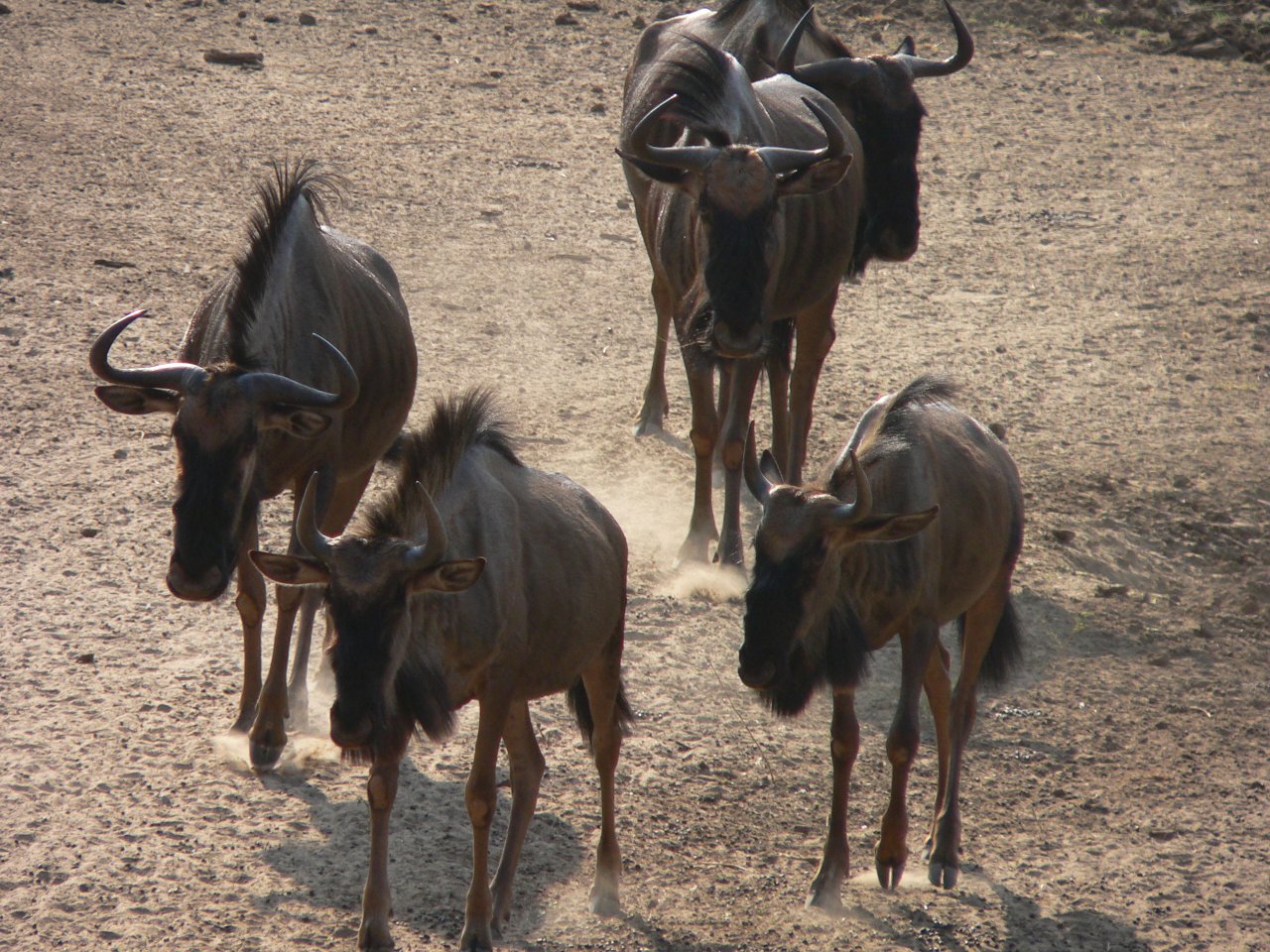
Gnu's arriving at a waterhole
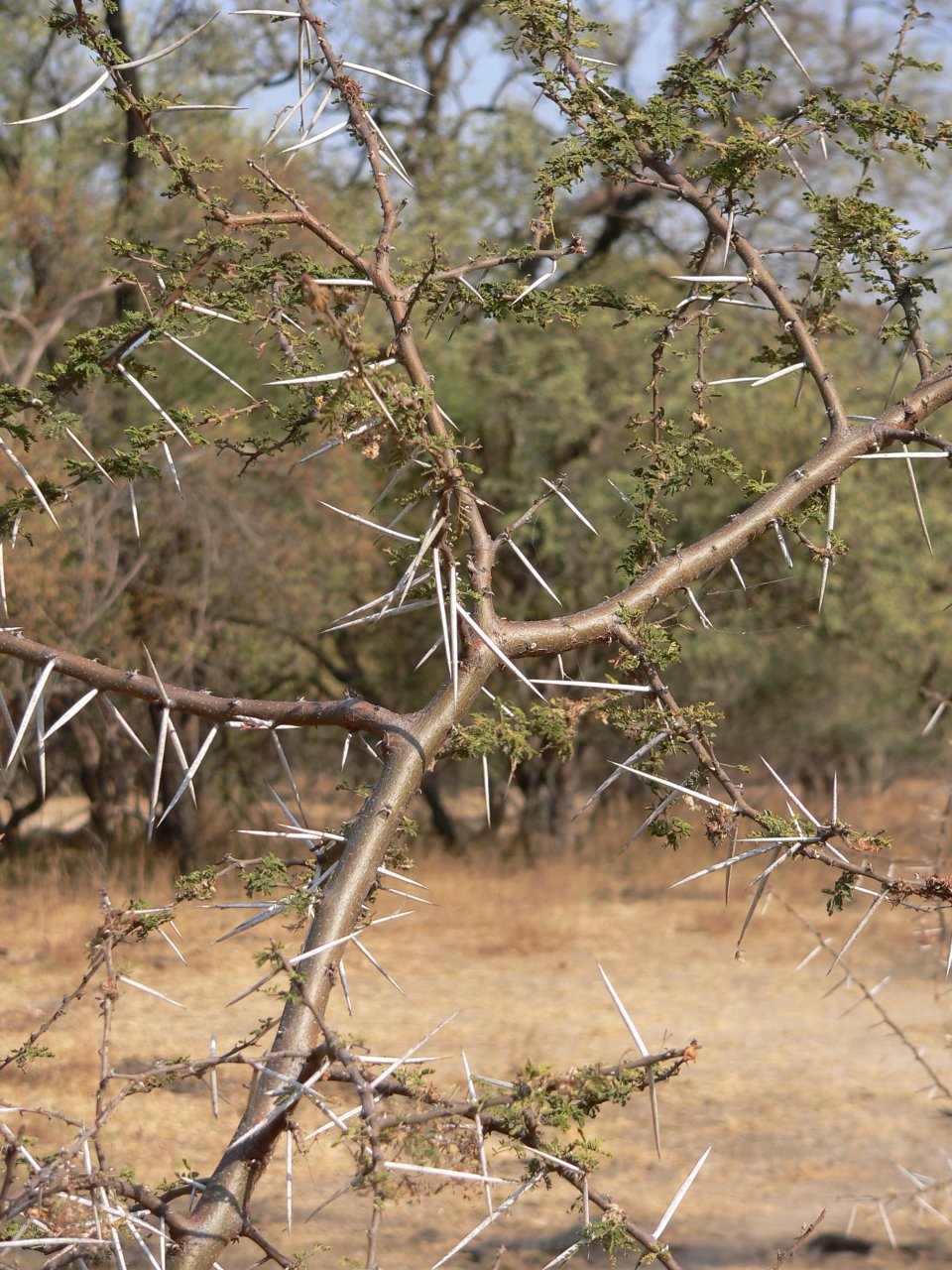
Everybody their own
defence mechanism
In anticipation we waited for the first animals. What would we get in front of our lense today?
It didn't take particularily long for the Kudus to appear on the scene - they didn't get really close though. The Impalas that arrived shortly after however did. Amongst other we furthermore saw vervet monkeys, two eagles and wilderbeest that morning.
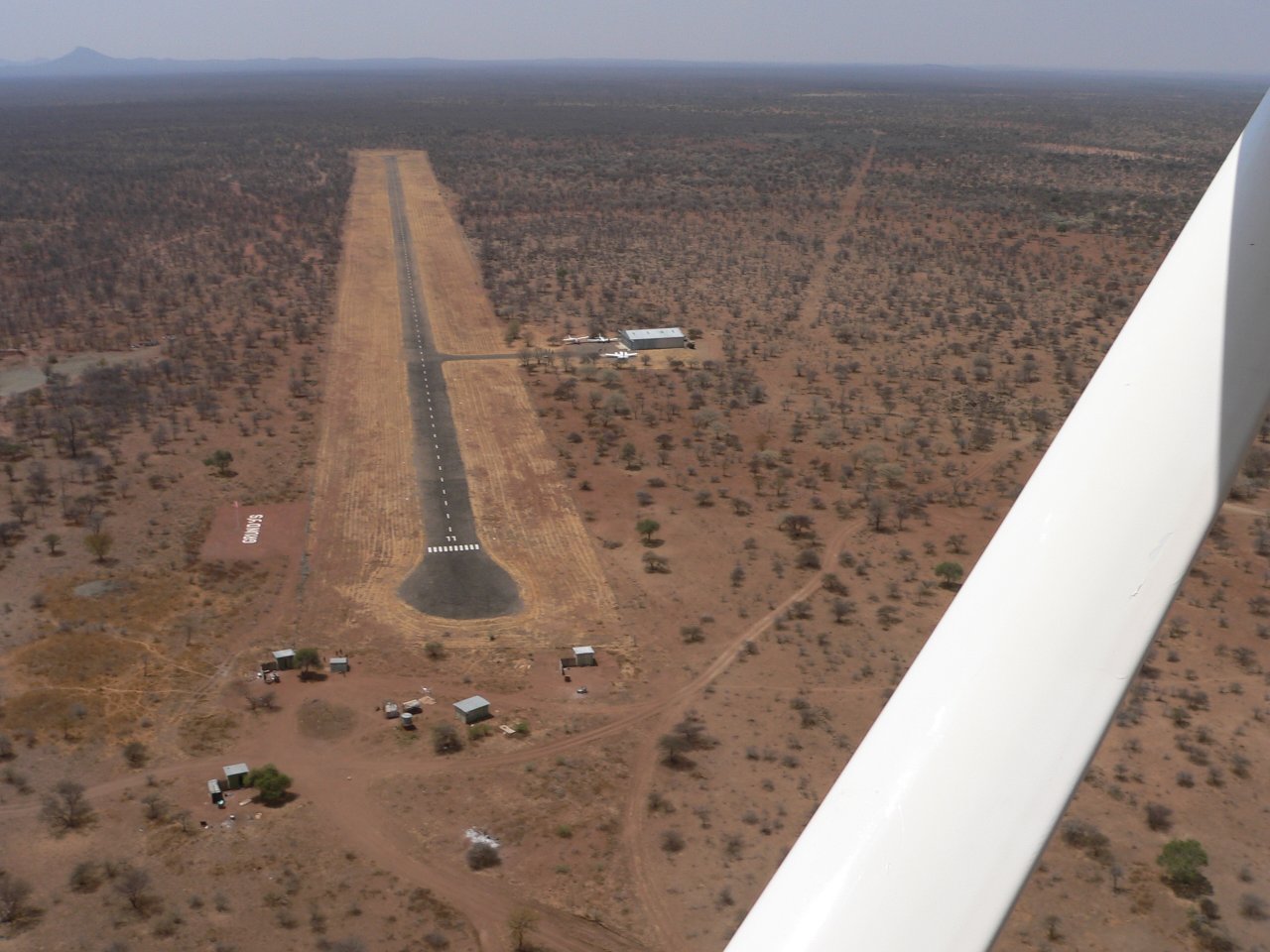
Grundy's perfect runway
After breakfast we left for Francistown, which only is approx. 20 min. away by air. There we refueled and walked out to the main street to catch a taxi into town. After a while we got picked up by a helpful taxi-driver. The first bank didn't accept foreign credit cards (not ours anyway).
Standard Chartered seemed to be better but in the process of figuring out what the maximum amount was we could withdraw, it ate my card. After that the stupid machine stopped communicating with humans. Beeing Sunday there was not much we could do about that. Luckily the second machine worked, since we urgently needed Pulas. The taxi driver had waited for us and drove us straight back to the airport. I filed a flightplan for the flight to Gweta and faxed overflight- and landing requests to the Namibian and Zambian Civil Aviation organisations respectively (required for those two countries only). The weather was said to be fine so after we had paid the landing fee and ate our lunch (still the burgers from CC and Shirley) we continued east- bound.
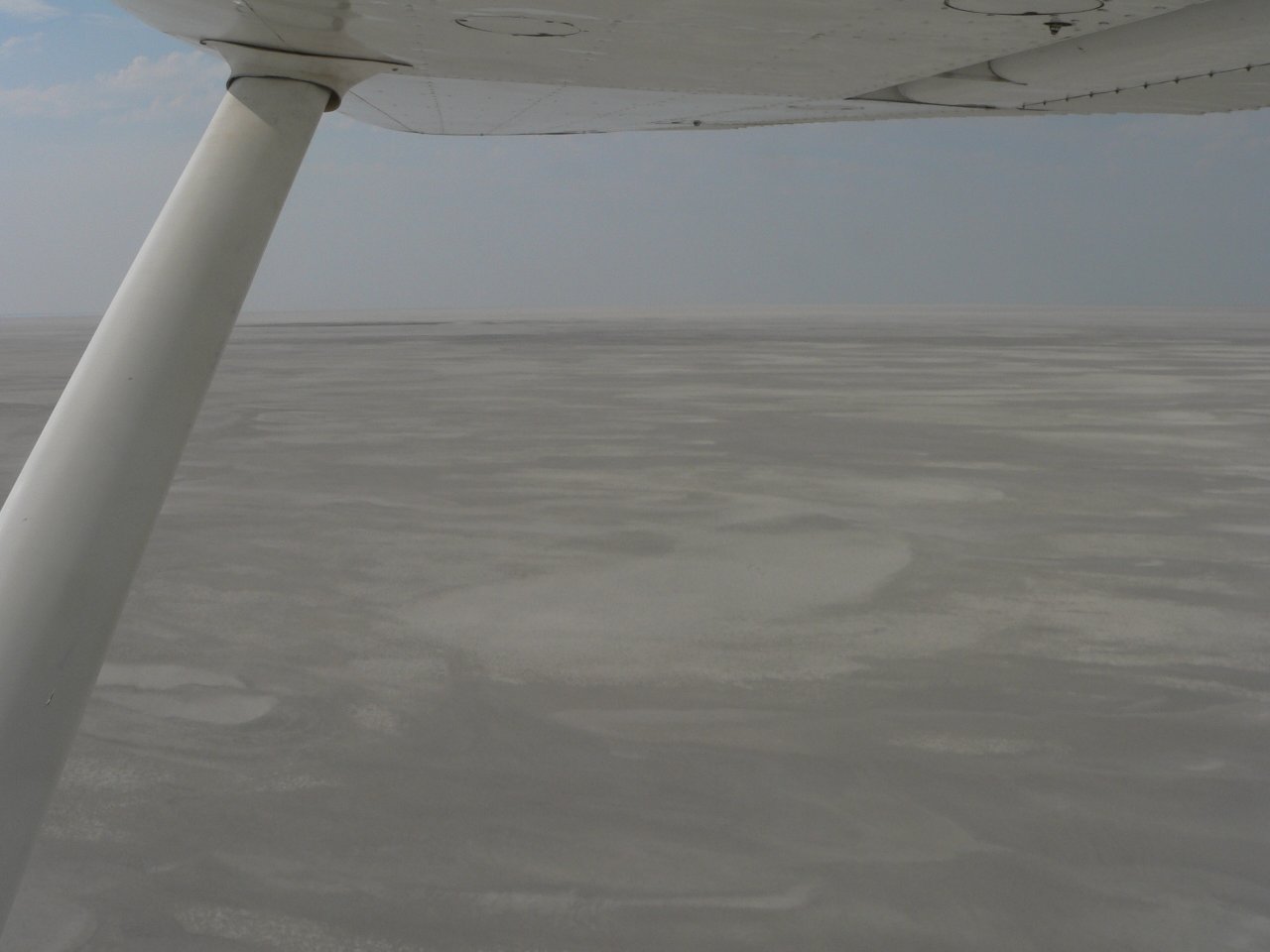
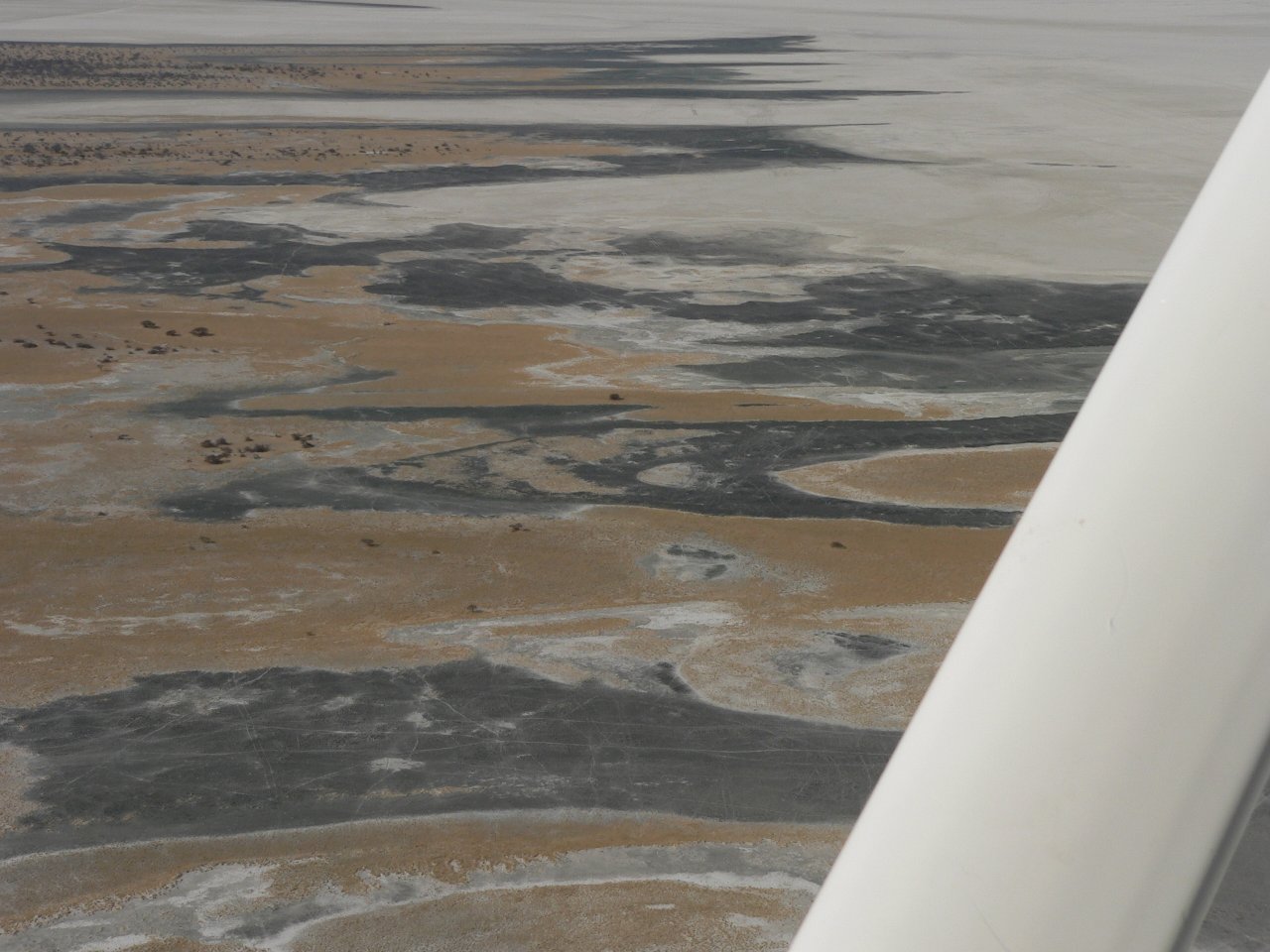
Makgadikgadi / Sowa Pan
Kubu Island had been recommended by David, our host at Grundy's, so that was the first destination. The flight there led us over, what we believe to be typical african country. Dry, flat, and very remote.
The Sua Pan is the most western of several salt pans in this area. As the name suggests it consists solely of salt sediments left over when the water evapurated into the air. Hence it is also completely flat and quite extensive. Kind of the biggest and most perfect airfield you can immagine - we flew really low level over it and it was tempting to land, just to have a stroll over the vastness of white. However, as we not were 100% sure of how hard the surface was and we really couldn't declare an emergency we didn't touch down and continued.
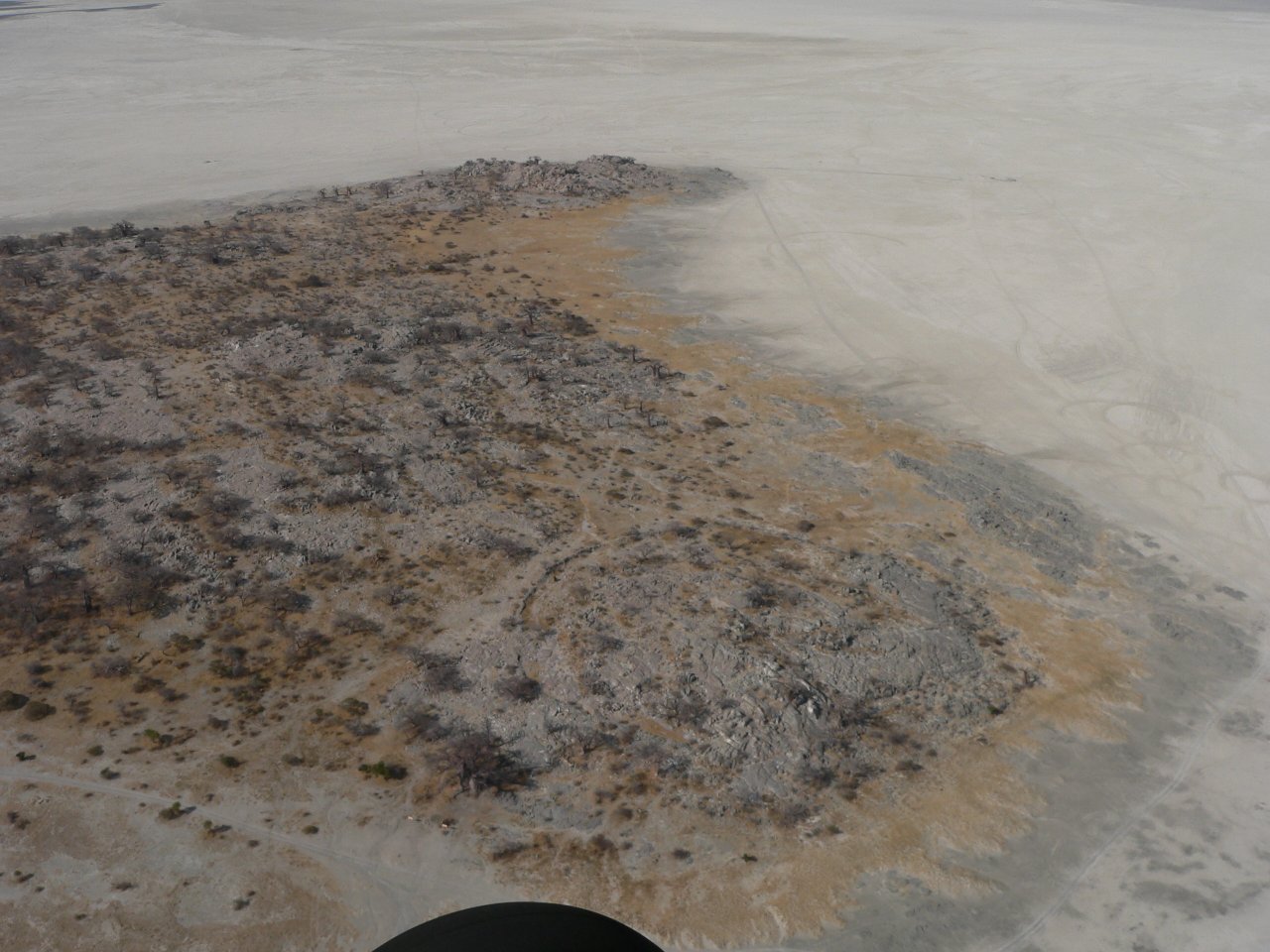
Kubu Island
Kubu Island is not really an island, but more a peninsula which looks like an island. The special thing about it are the Baobab trees the grow amongst the rocks. It does look special indeed.
We continued over the second pan, called Ntwetwe, and headed directly for the airstrip at Gweta, where we had arranged for pick up at 16.00. Viapu, the driver from 'Planet Baobab' that was picking us up already waited at the airport when we arrived at 16.10. Tieing the plane down was almost impossible, as the ground was extremely hard. After about 15 minutes of hammering I only had gotten the pegs about 10 cm into the ground. Couldn't do better than that though.
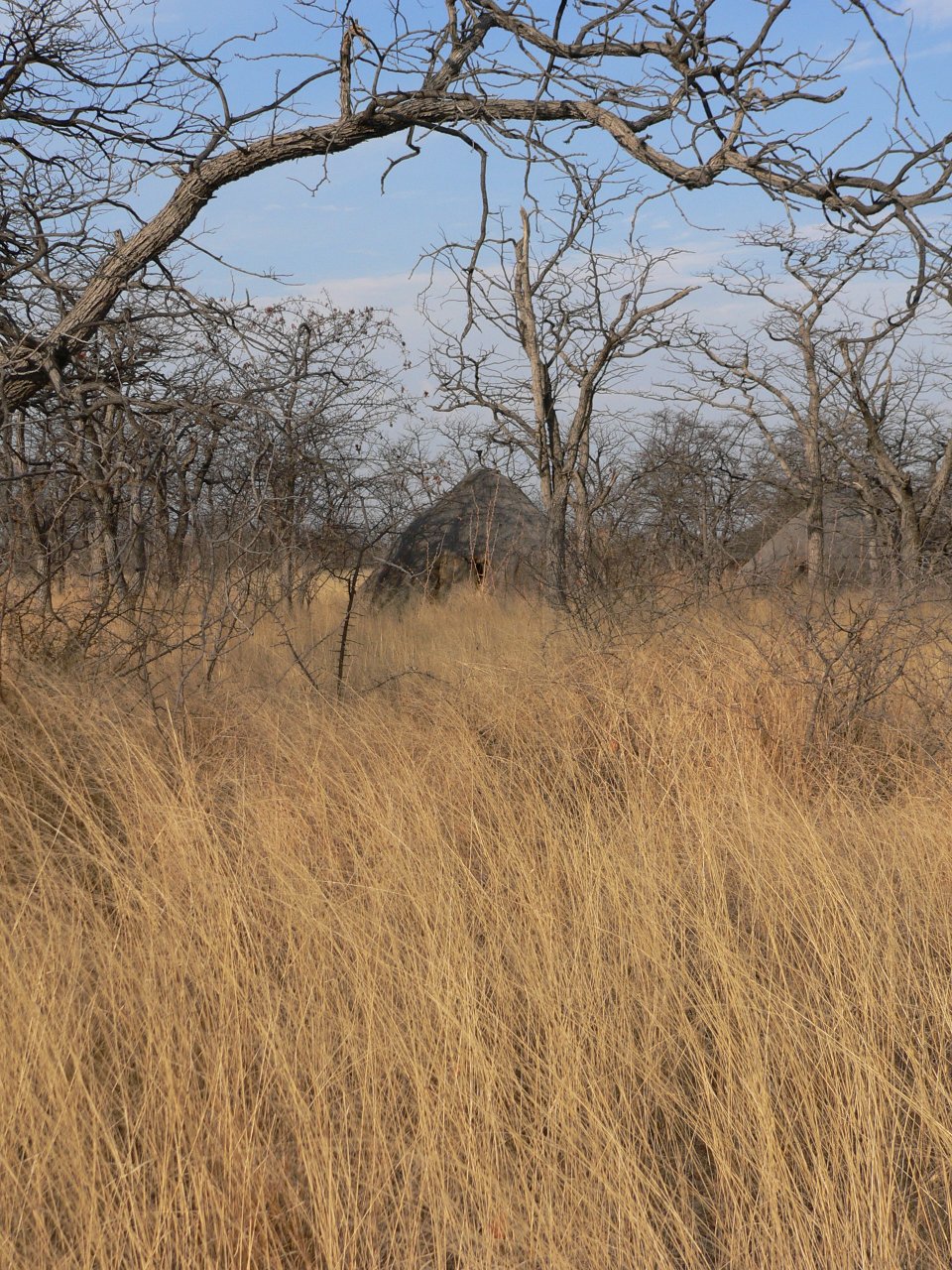
Bushmen Grass Hut
(Planet Baobab)
'Planet Baobab' has different types of accomodation on offer. The mudhut, traditonal huts built out of a mixture of termite mound material and cow dung, is upper range. Normal camping in you own tent is the cheapest option. The one we liked the most was the bushmans grass hut. Very nice and interessting form of accomodation for 90 Pula per person sharing - including a continental breakfast. The staff was extremly friendly and helpful - possibly because they were happy to see people - there were only a handful of other guests next to us.
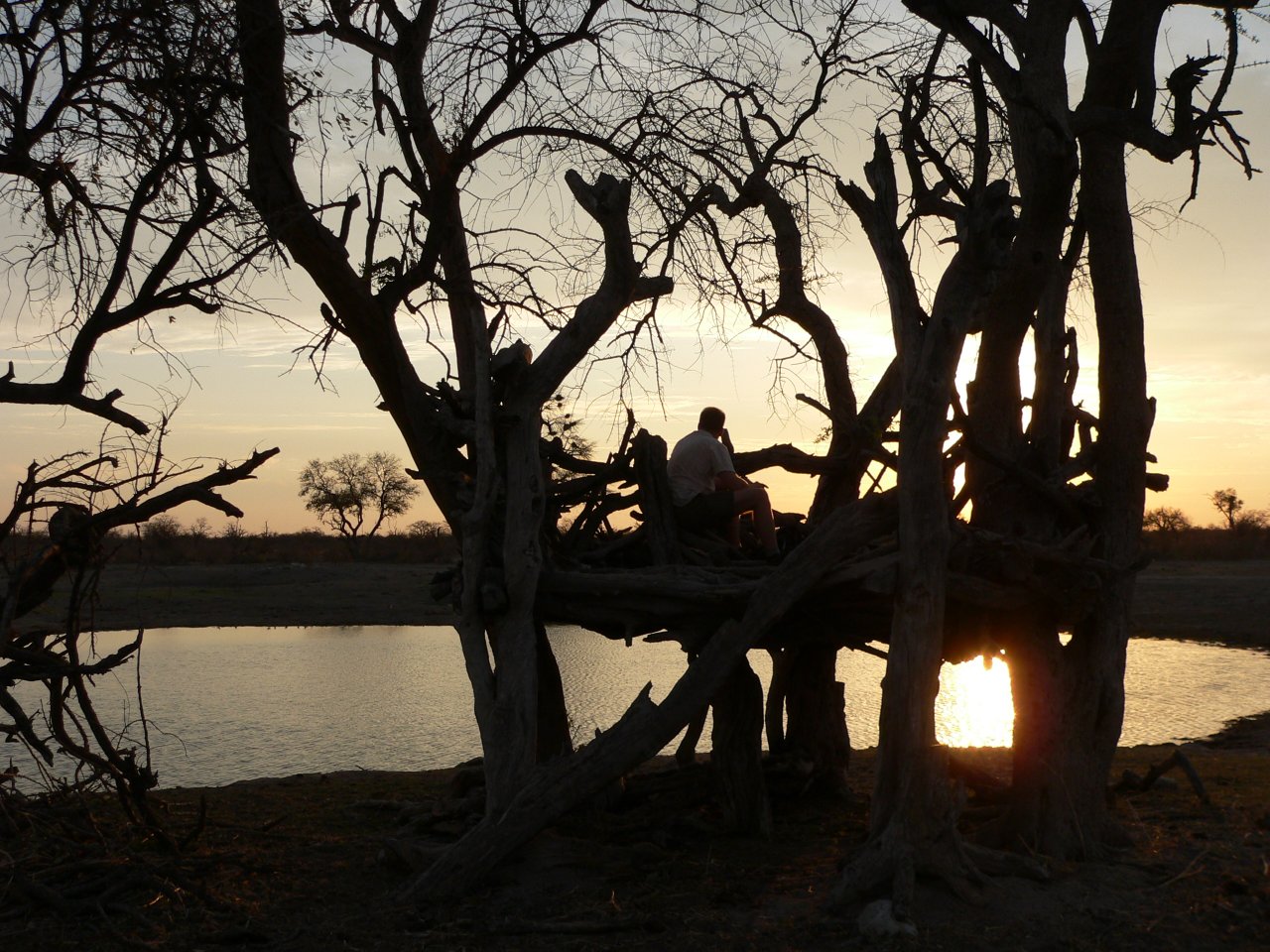
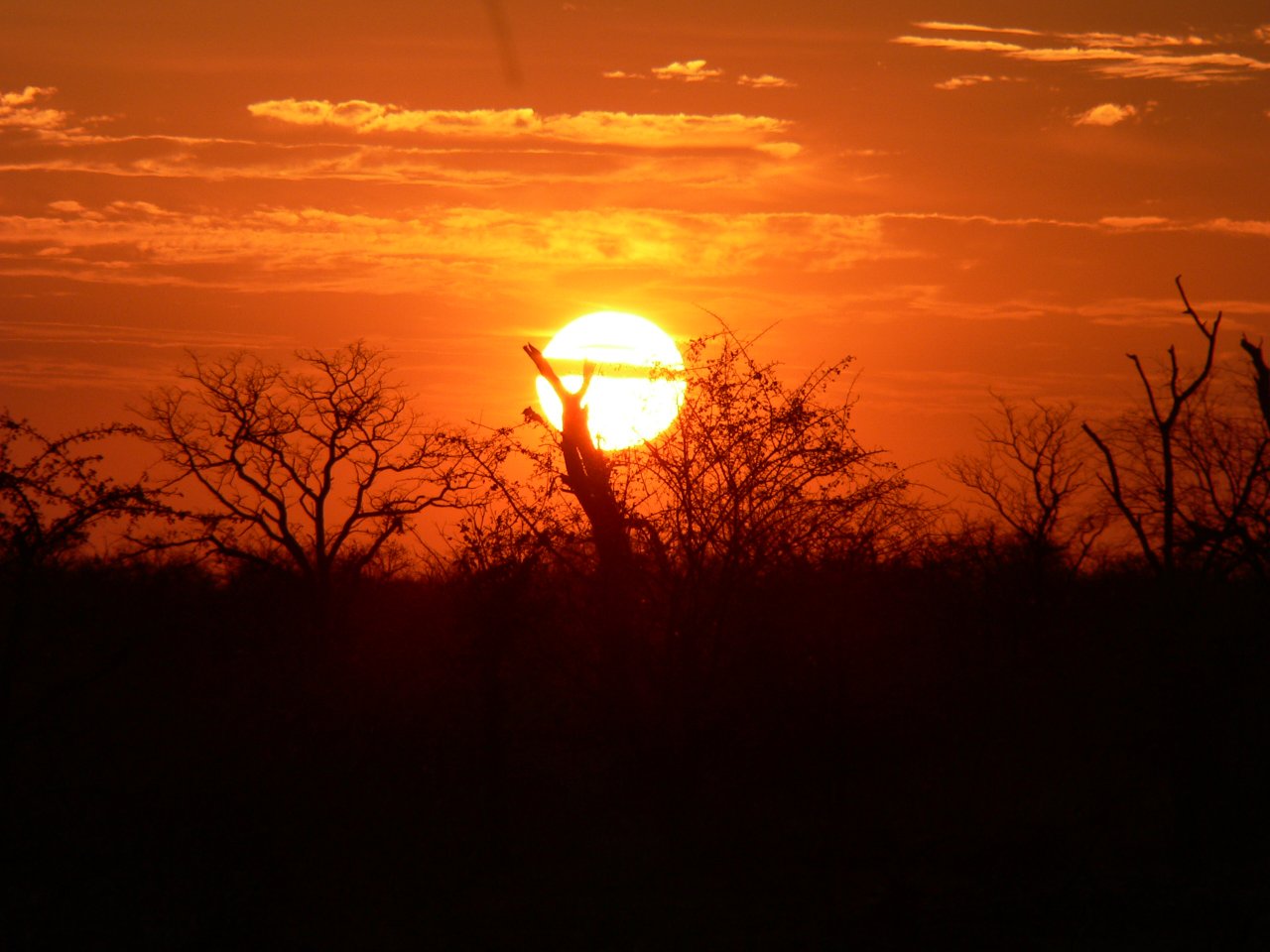
Another magnificent sunset
Elephants were said to show up regularily at the waterhole just next to the camp. So of course we went to check it out in the late afternoon or rather early evening. Some moron had parked his car just next to the water hole and steped in and out of tha car all the time. 20 minutes after he had left, four elephants showed up. They seemed to appear out of nowhere. Impressive how these huge animals can tiptoe through the bush. Unfortunately it was already quite dark by then so the pictures didn't turn out to well. We stayed in the primitive lookout for about 30 minutes and watched them drinking and taking mud-baths. Accept for a little splish and splash here and then they were very quiet.
Downloading todays pictures was interesting, as the entire staff of Planet Baobab (about 10 people) sat behind me and watched as Linda and I went through and clean up (we take between 200 and 500 pictures a day and try to reduce this to at most 100 by deleting bad ones and doublettes).