After breakfast we went back into town to shop for food and get the permit from the Namibia Wildlife Resorts (NWR) office to do the Welwitschia drive east of Swakopmund.
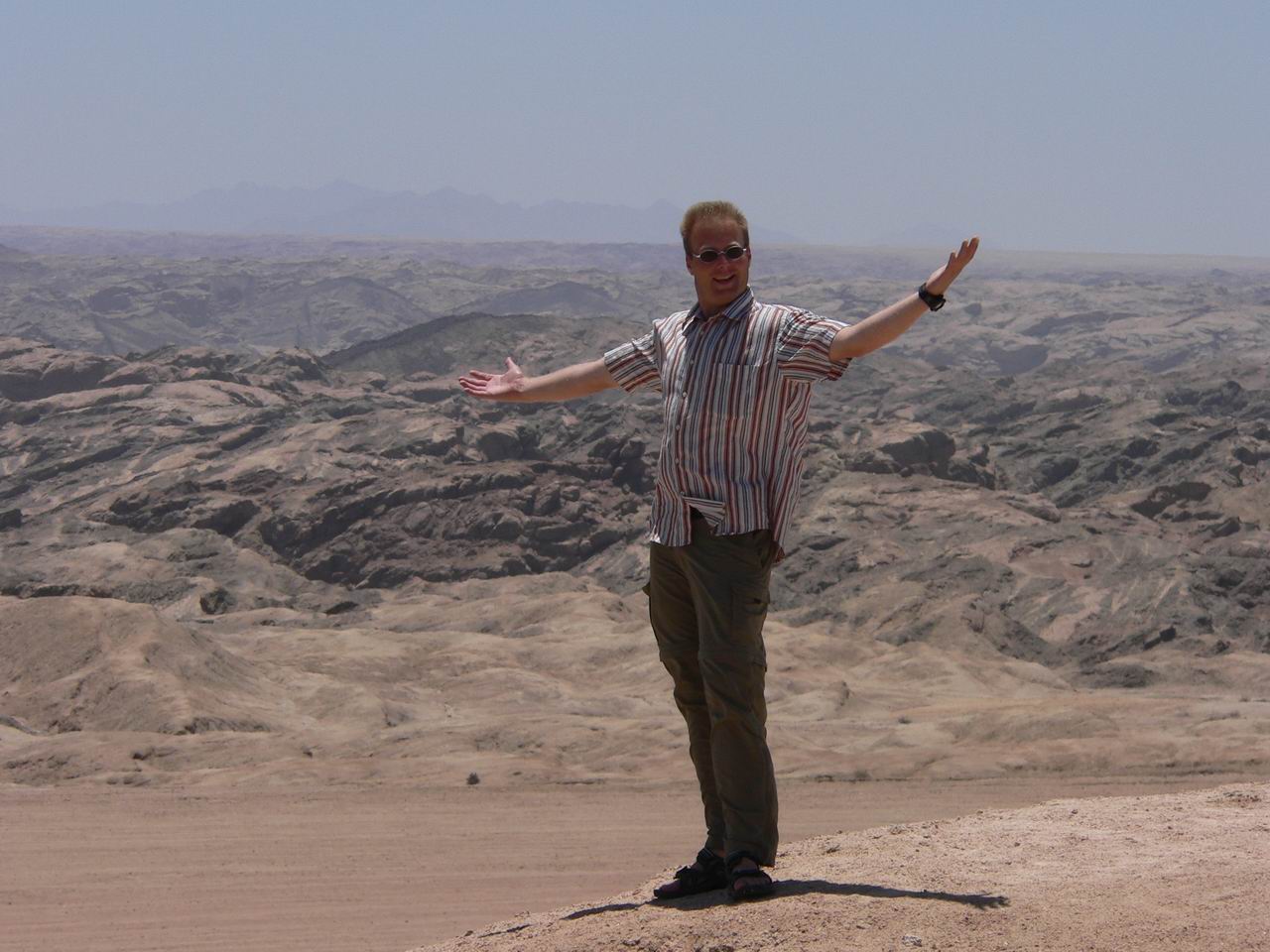
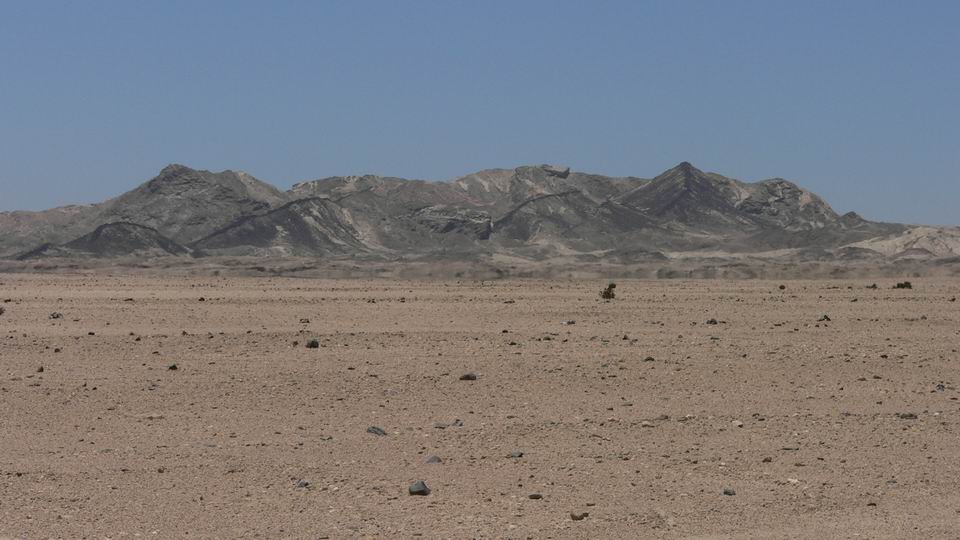
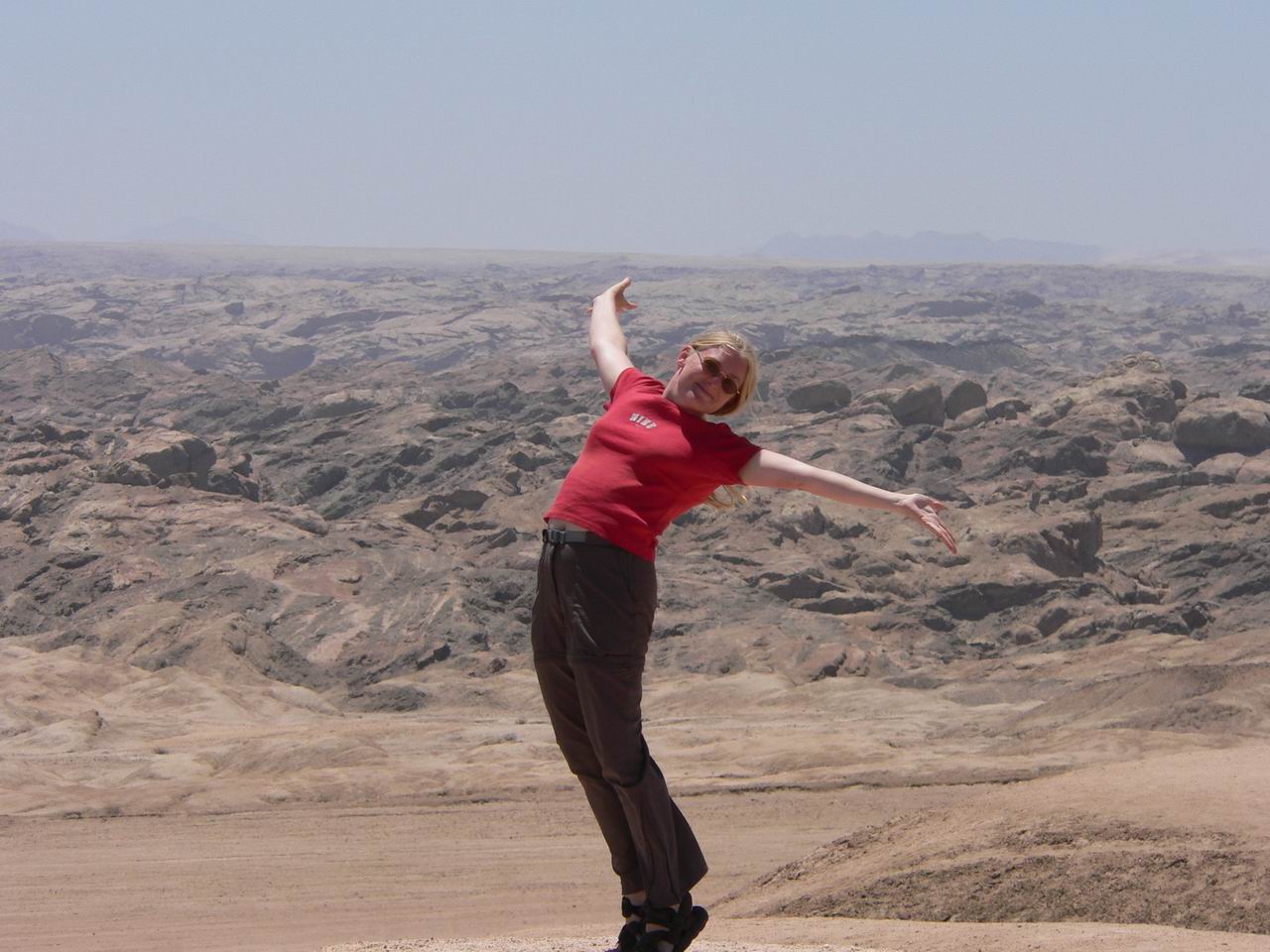
Welwitschia Moon Landscape
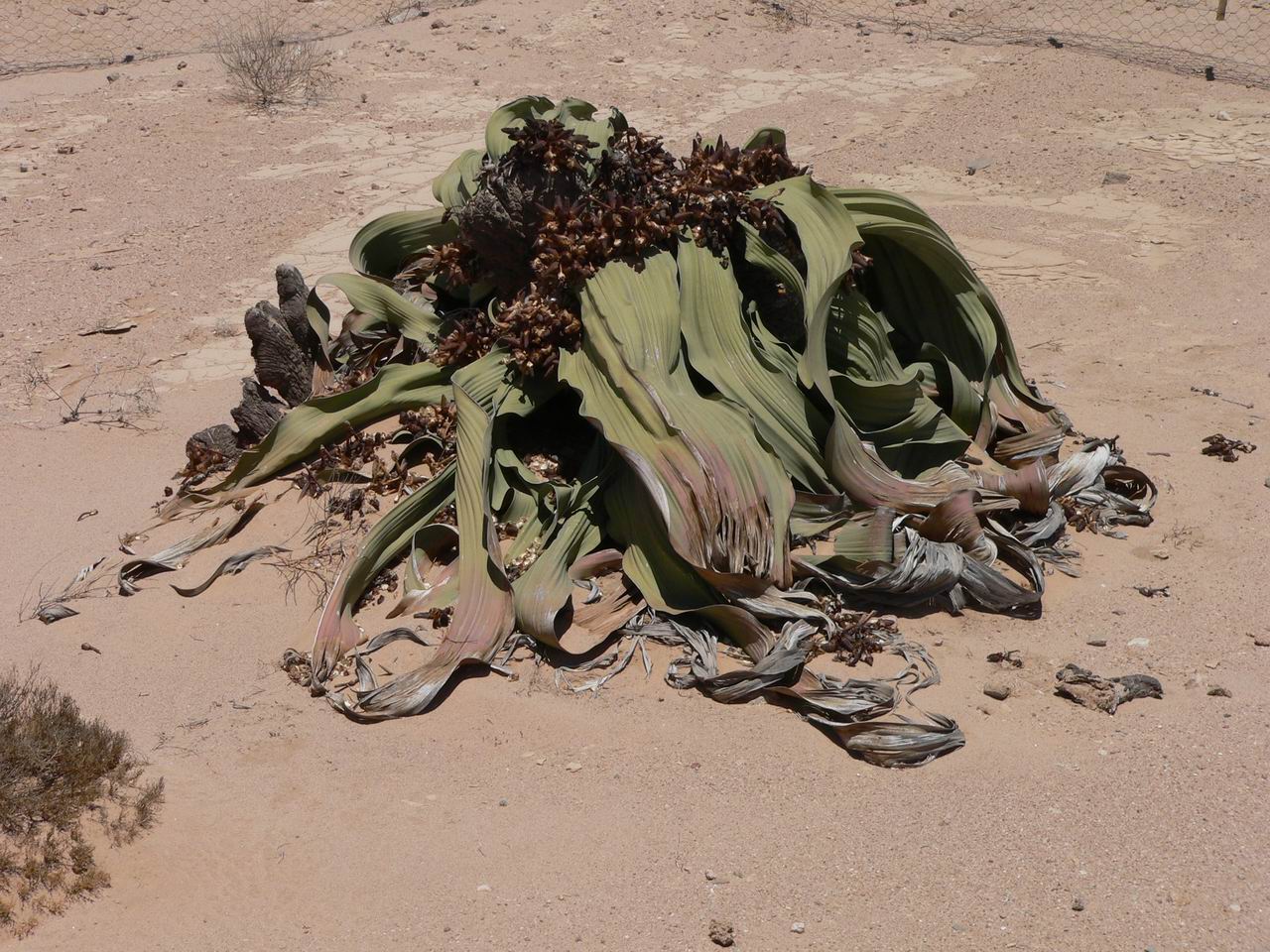
Welwitschia, 1500 years old
We spent about three hours on the Welwitschia drive. The moon landscape surrounding it was very interesting and made for som nice pictures. The Welwitschia plants, that have given this area its name, are located at the very end of the drive. The specimens here are up to 1500 years old and have adapted to the extreme conditions of the desert. They would be the perfect plants for some bachelors appartments, because they easily survive a whole year without water. Only drawback is that they are pretty ugly.
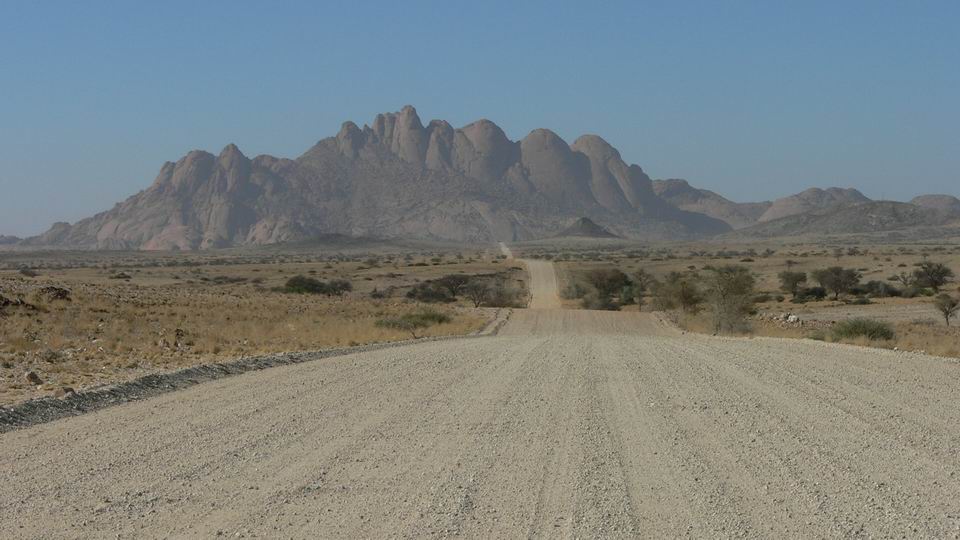
On the way to Spitzkoppe
Before going to the main attraction that day, we had to refuel at Usakos some 20 kilometers past the turnoff to Spitzkoppe.
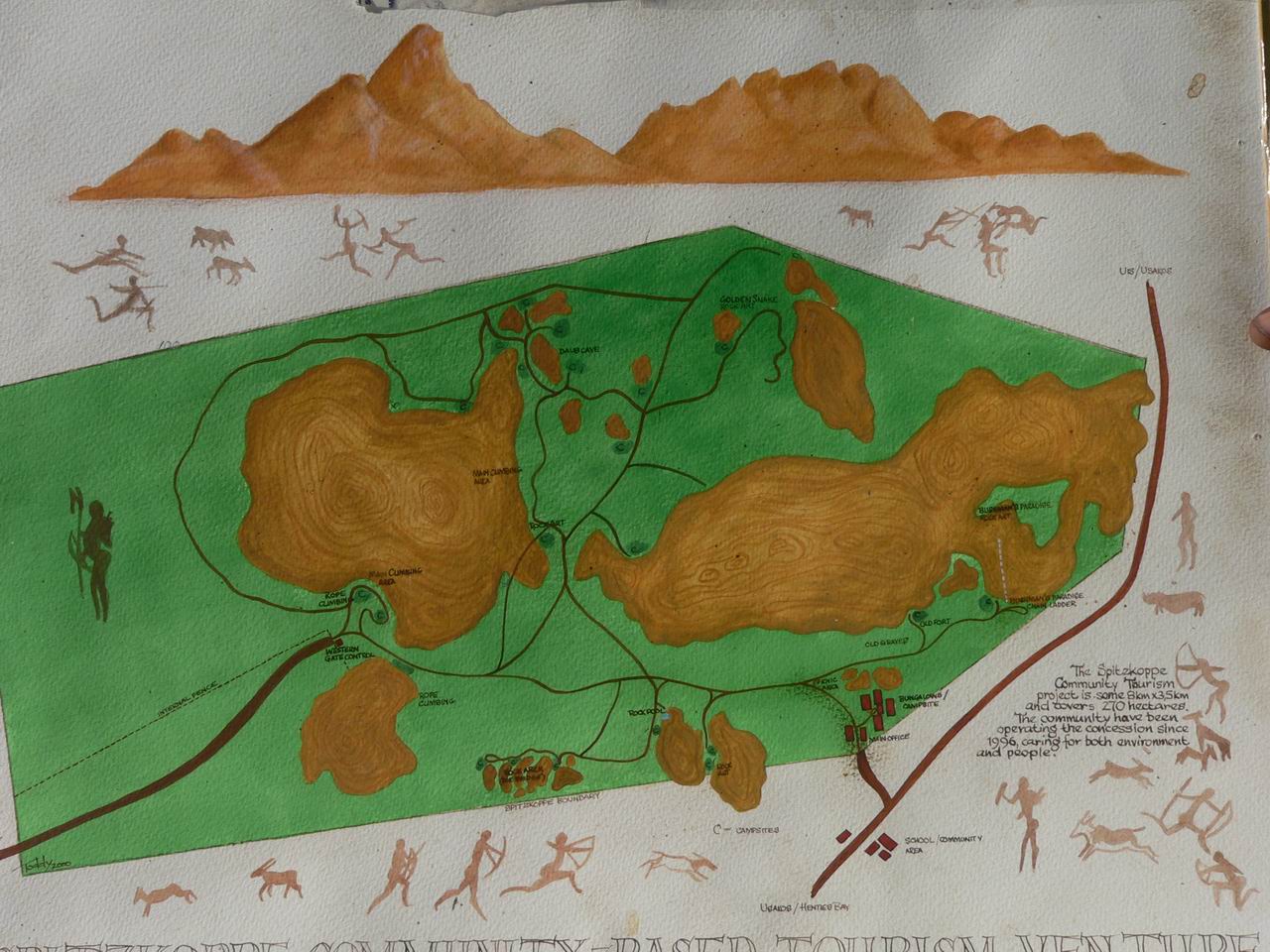
Our map
The entrance fee for Spitzkoppe was NAD 35 per person for camping plus NAD 5 for the car. Absolutely reasonable. Back in a local bookshop in Swakopmund I had earlier asked for a map of the Spitzkoppe area, but was told that we would get one at the entrance of the national park anyway. Now that I request such a map I was informed they didn't have any. "But you have a digital camera, don't you?" "Erh, yes, why?" I answered. The gate keeper pulled forward a map drawn on a wooden board and asked me to photograph it.
They are pragmatic, gotta give them that :-)
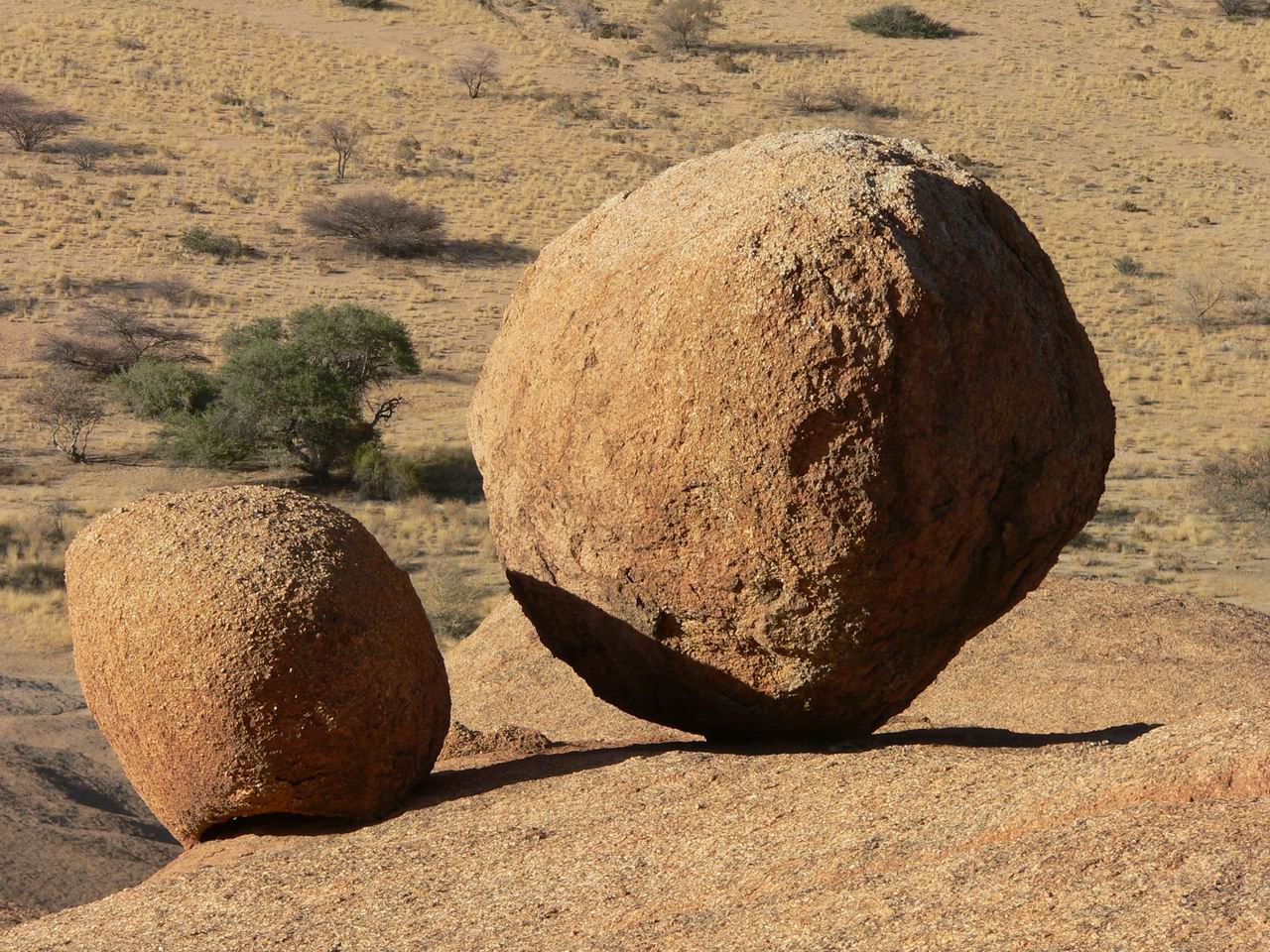
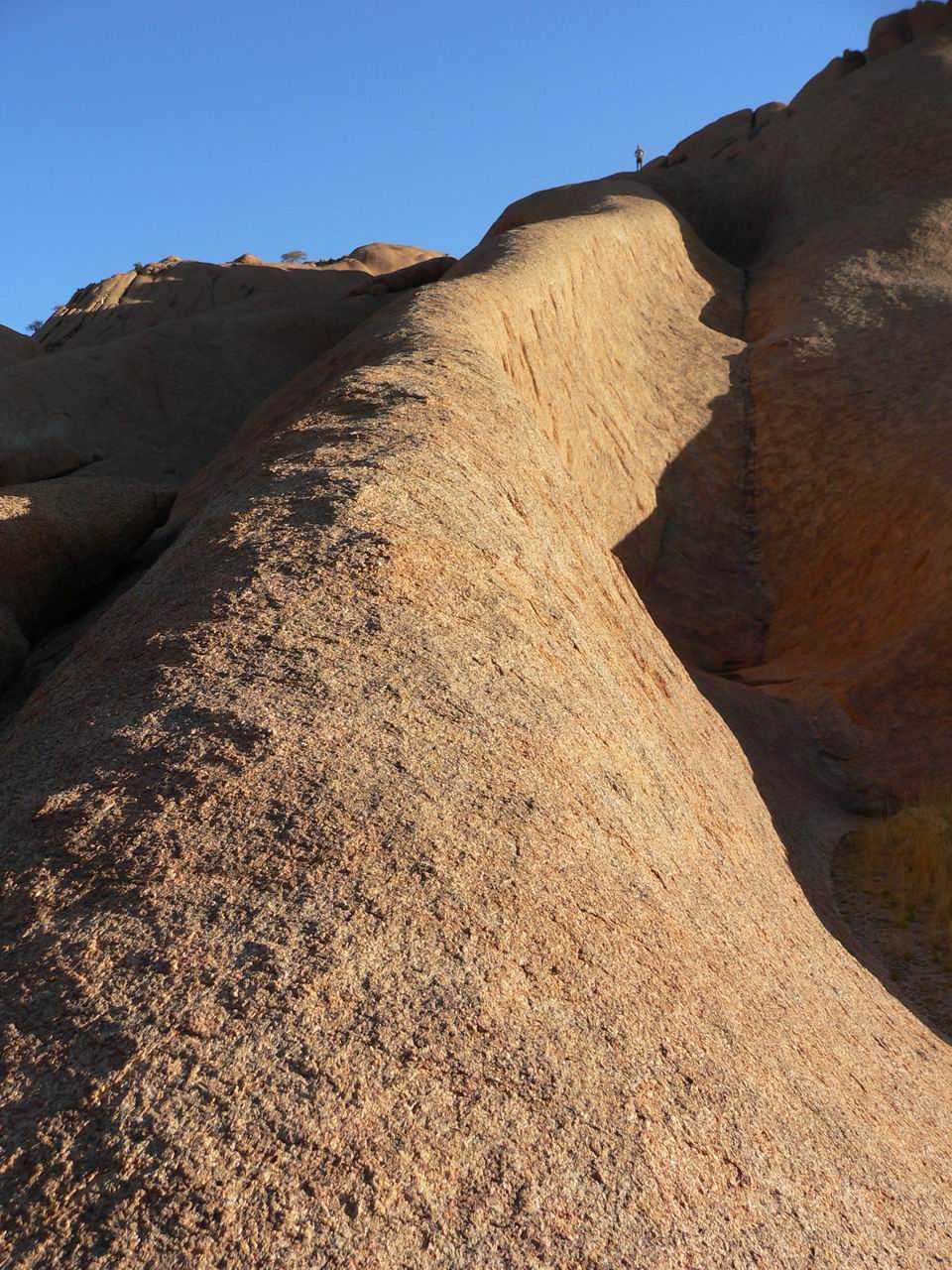
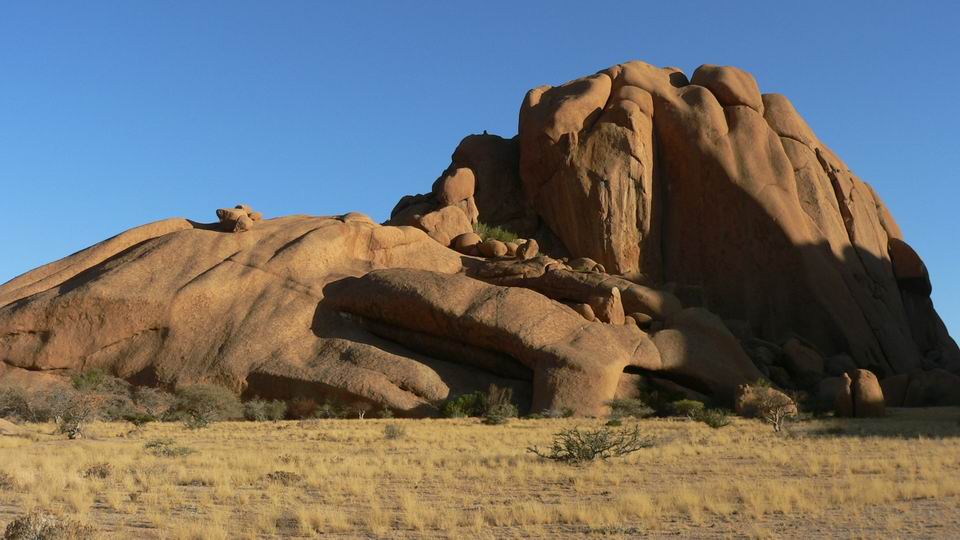
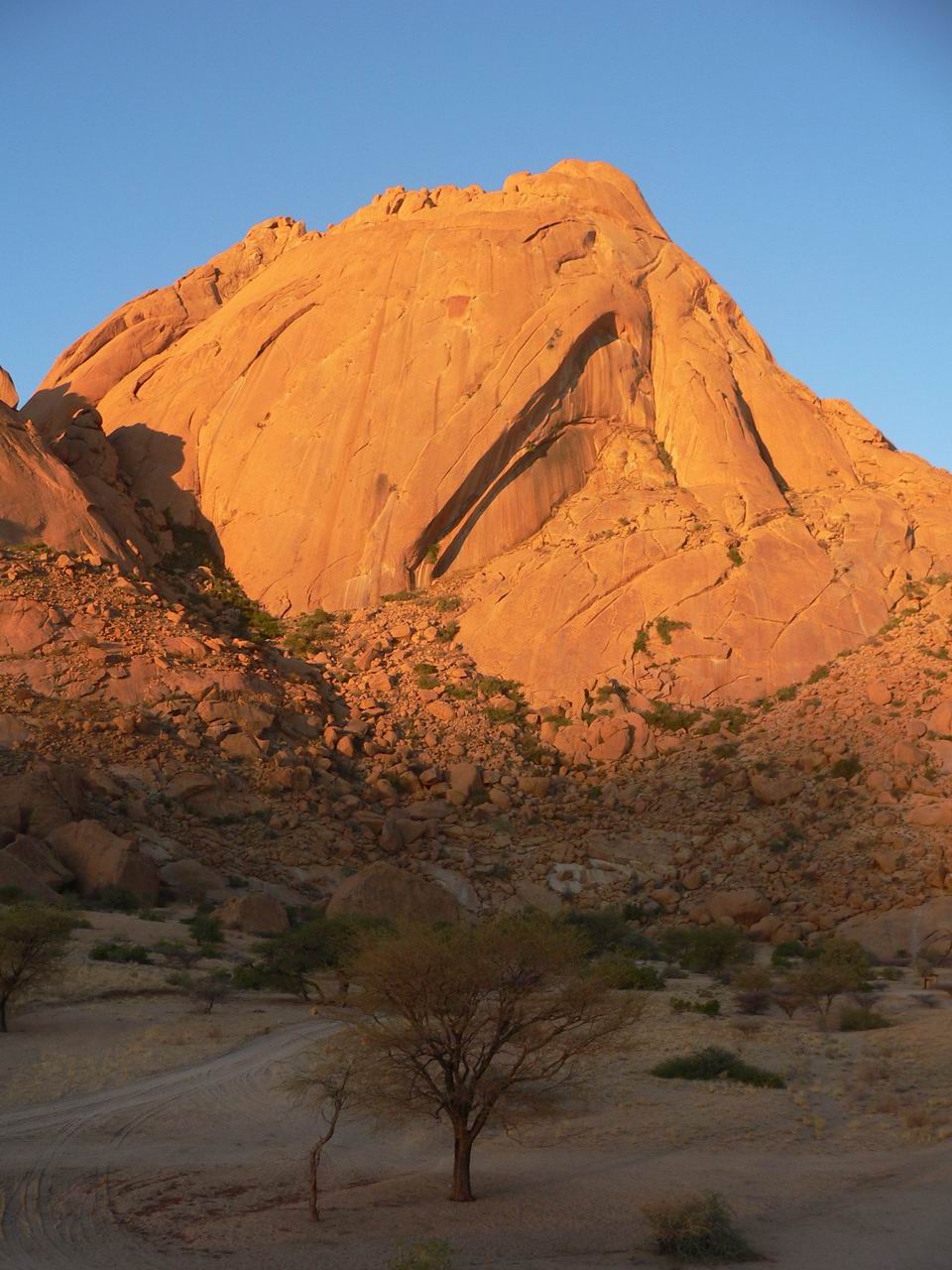
Spitzkoppe rock formations
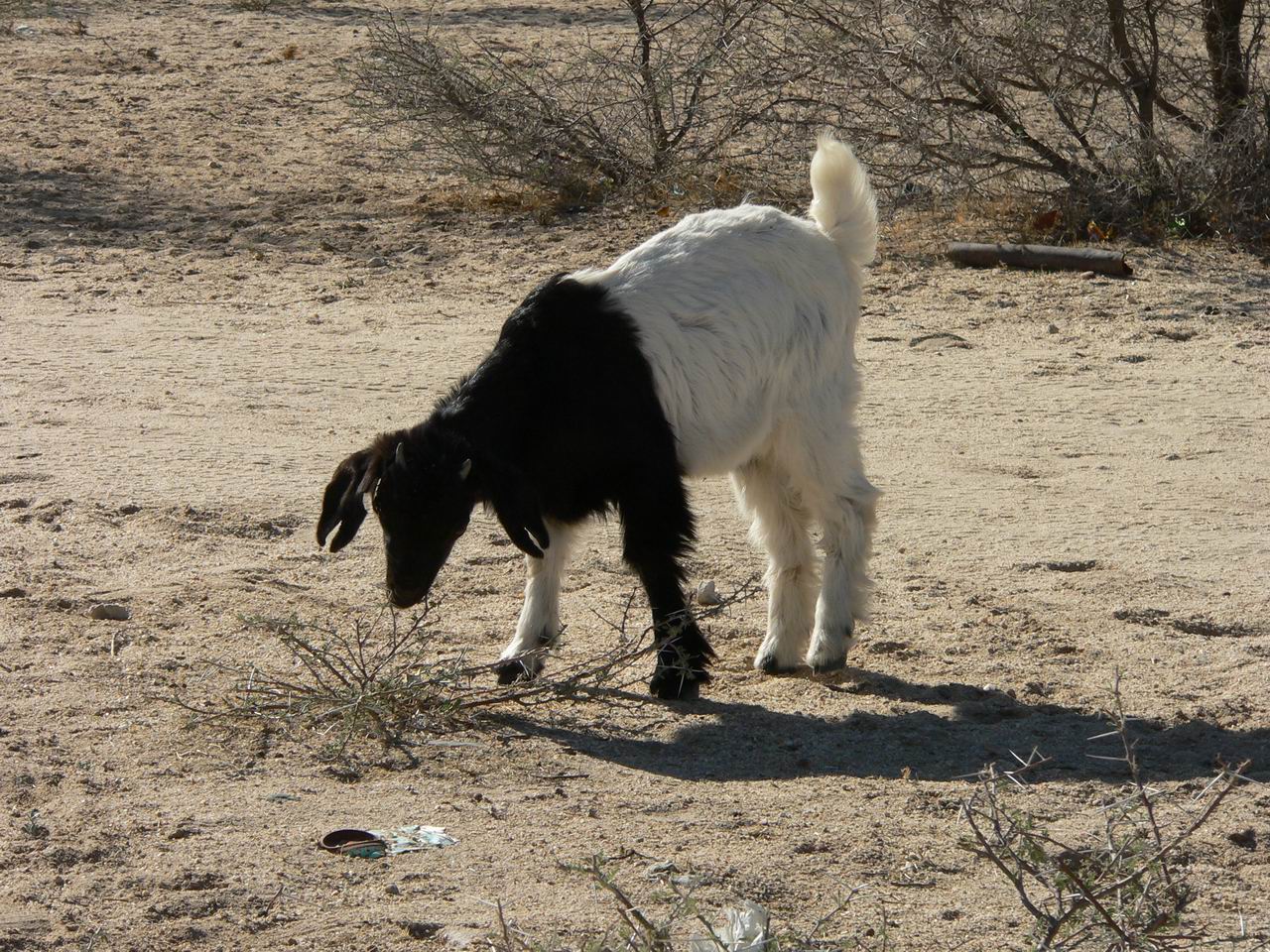
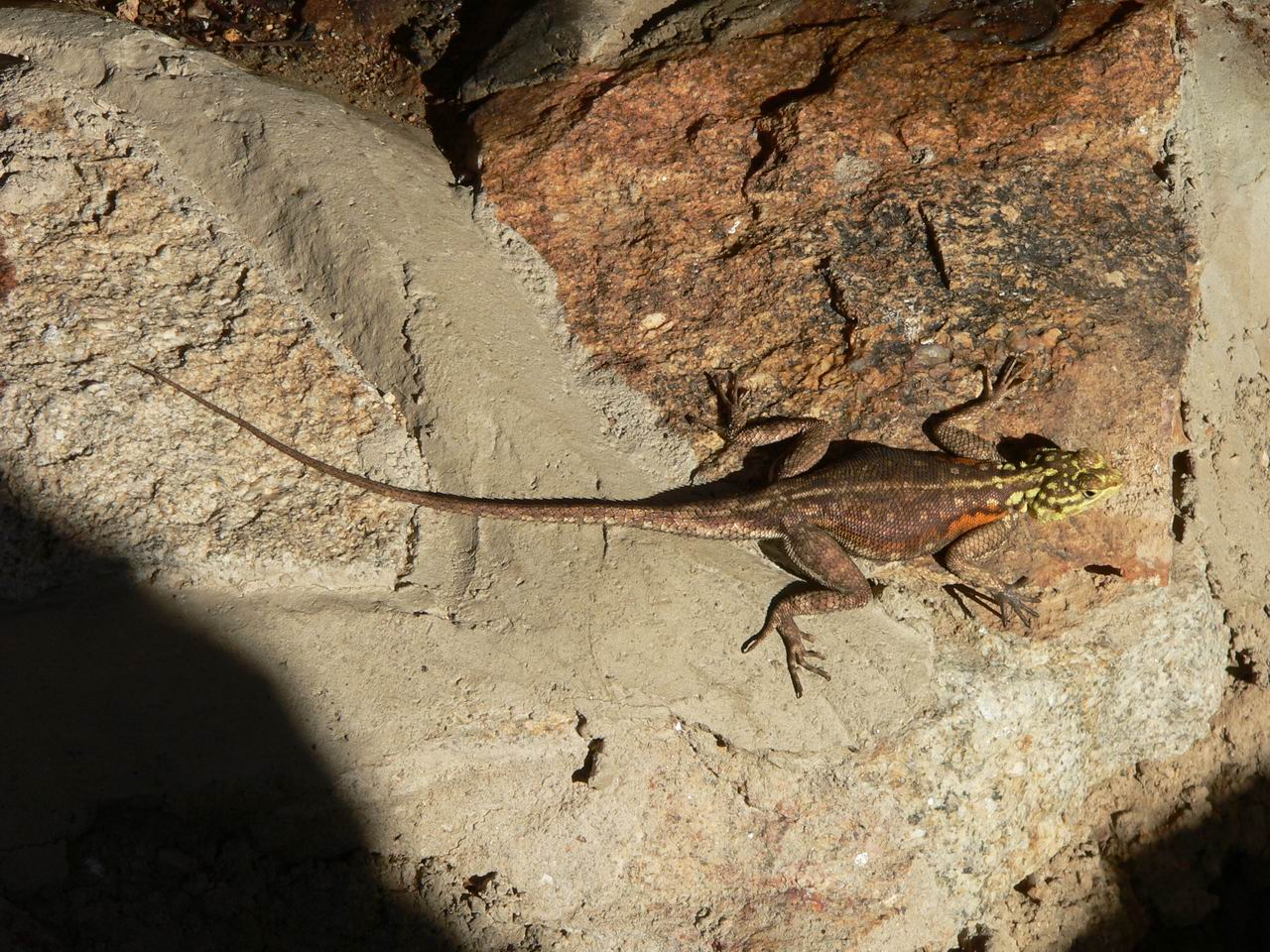
Having a head which differs in colour compared to the rest
of the body seems genetically to be an advantage around here :-)
Spitzkoppe, although known as the Matterhorn of Namibia, reminded us both much more of the Uluru-Kata Tjuta (Ayers Rock) in Australia. It's seems to be the same kind of rock and formations, same color, situated in the middle of nowhere and sticking out of the otherwise flat sourroundings.
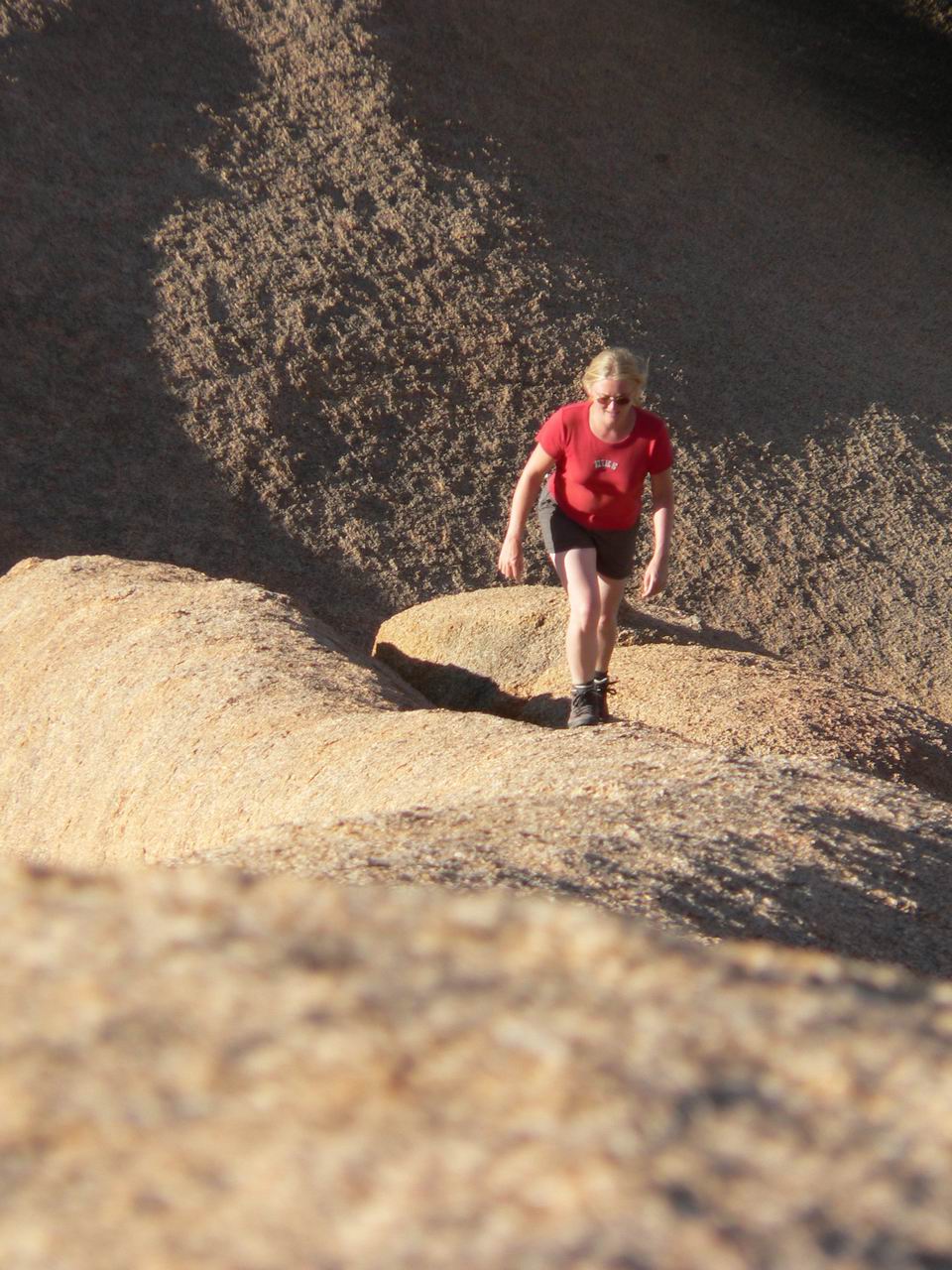
We climbed the first rock formations we came across and had them completely to ourselves. Wonder how many tourists there would be if Spitzkoppe was located in Switzerland. There weren't many people in the rest of the park either so finding a camp site wasn't hard. Some wood I had bought at the entrance made for a good fire.
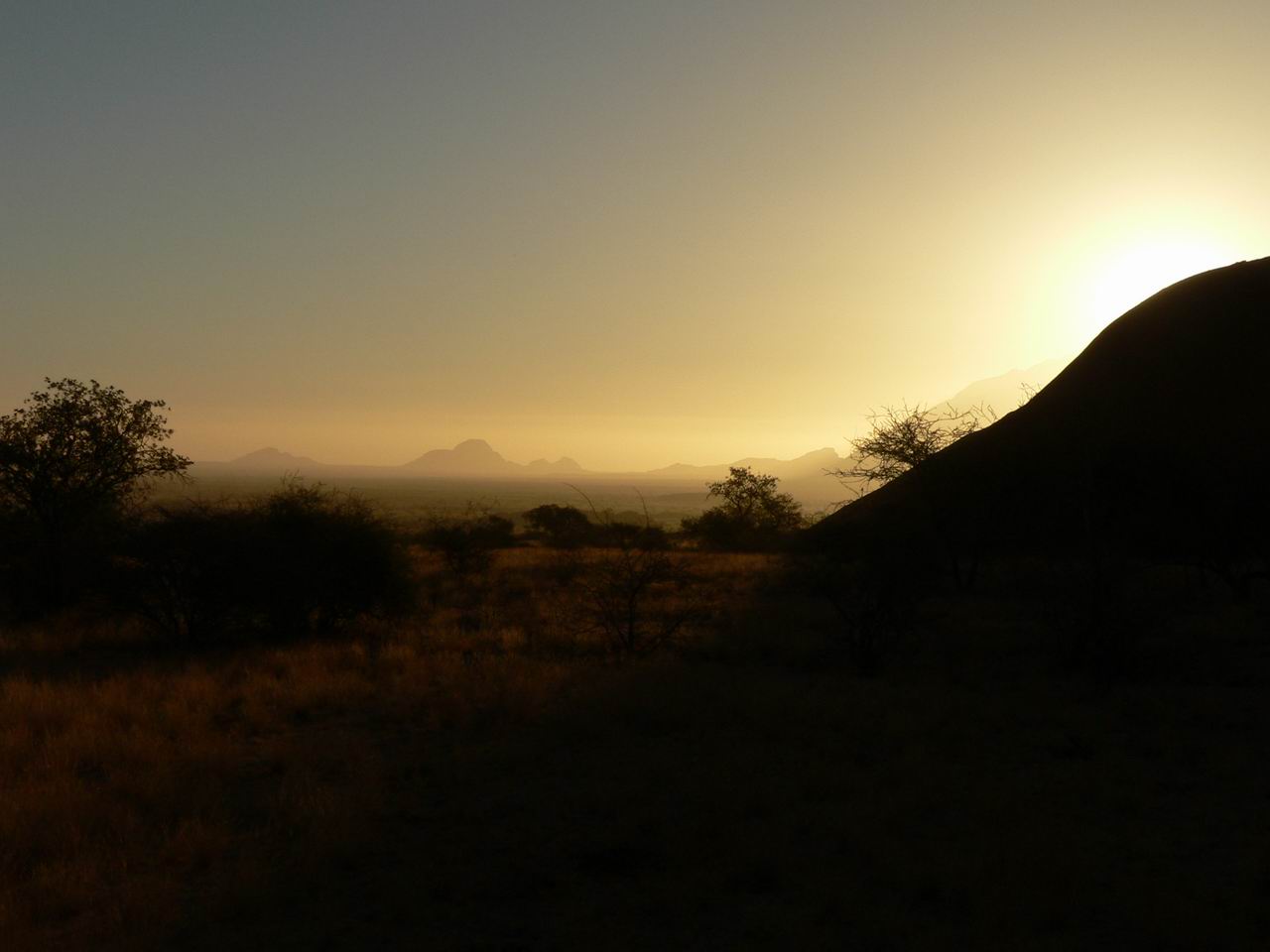
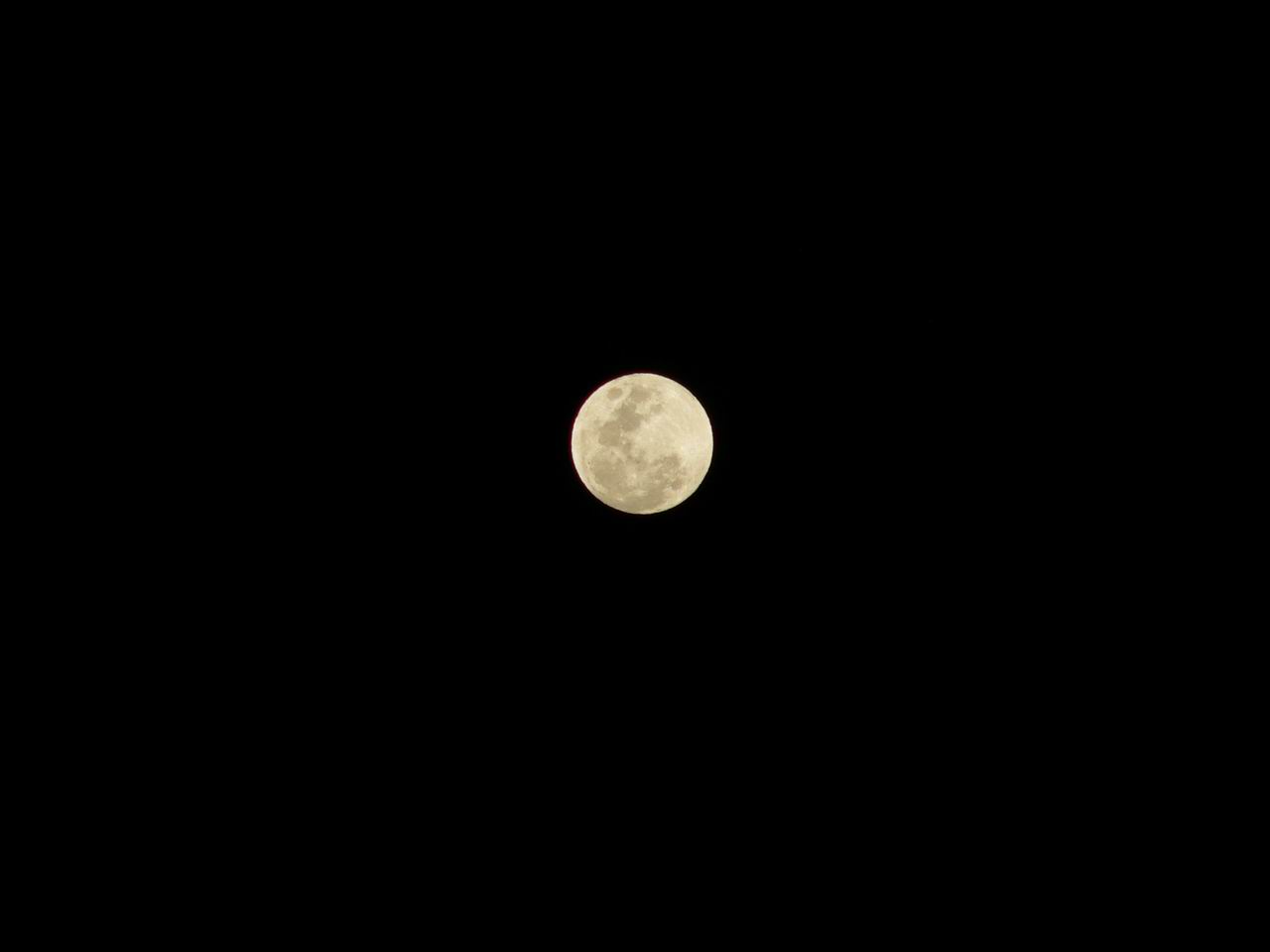
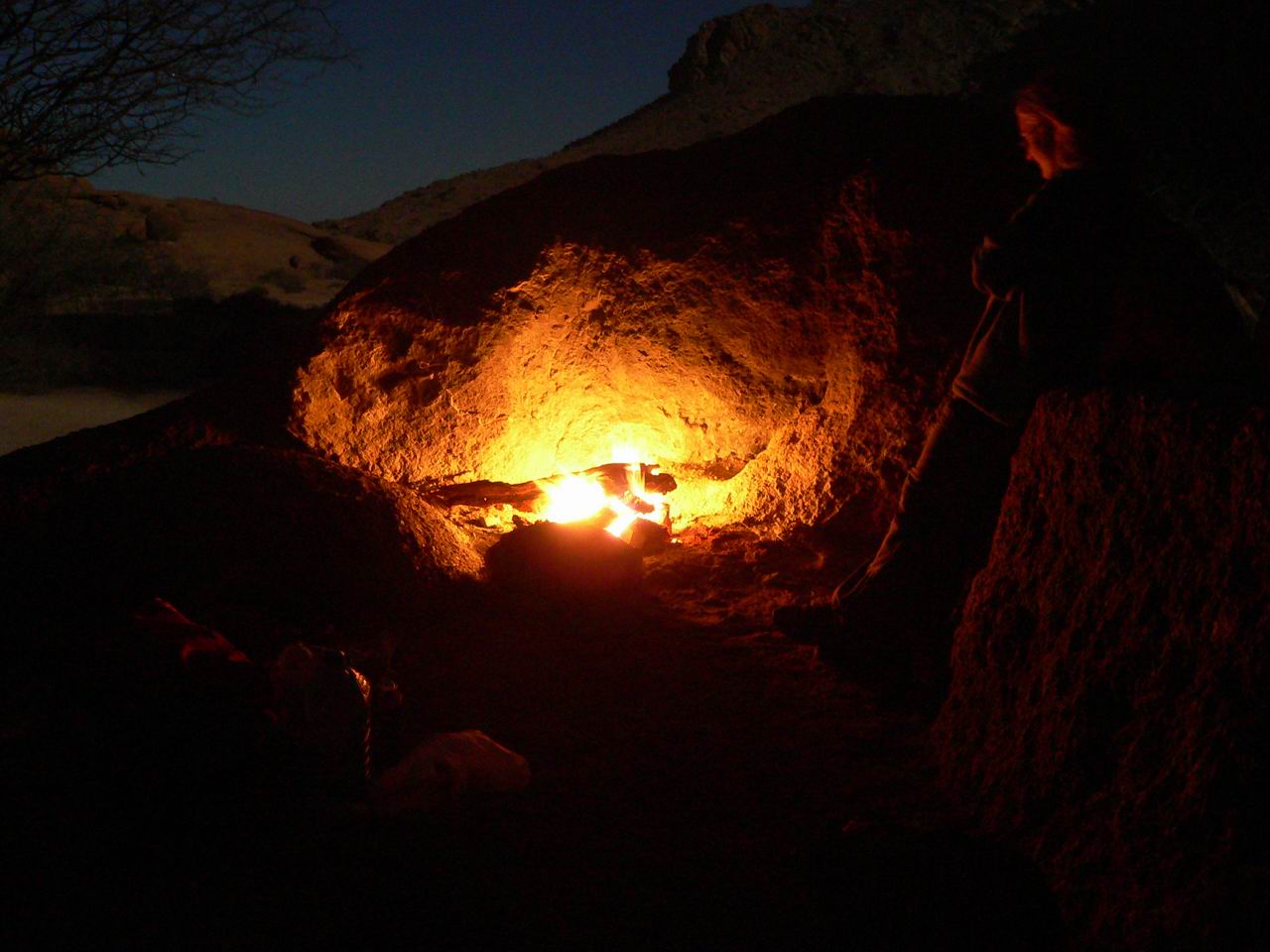
Night Fall